
Slow Travel in Mexico 2026: The Anti-Itinerary Approach Is Winning
Something shifted in how people travel after years of optimizing for content, coverage, and the question “how many countries did you visit?” The answer, for a growing number of travelers in 2026, is: fewer. On purpose. Slow travel — the practice of staying longer in fewer places, engaging deeply rather than broadly, and measuring a trip’s value by what it does to you rather than how much ground it covers — isn’t new. But its cultural moment has arrived.
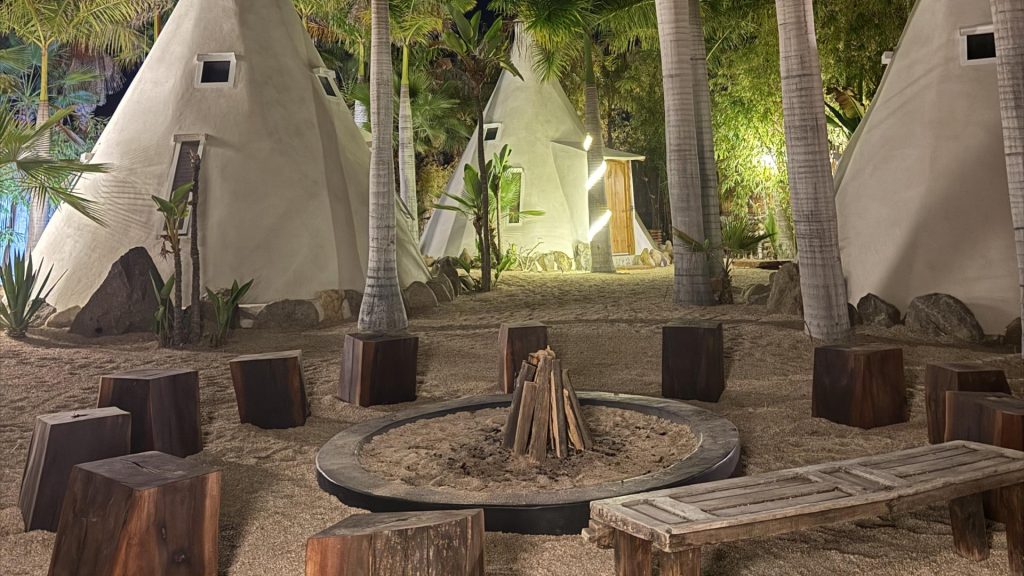
Mexico is one of the best countries in the world for slow travel. It’s large enough to offer genuine diversity of landscape and culture. It’s affordable enough to sustain longer stays. And it has places — specific, unhurried, deeply themselves places — that reward the kind of attention that slow travel requires.
Todos Santos is at the top of that list.
Start by understanding what makes this place different. Explore Todos Santos →
Why Todos Santos Is the Right Place for Slow Travel in 2026
Slow travel requires a destination that can hold your attention for longer than a weekend without revealing itself all at once.
Todos Santos is exactly that kind of place.
The town gives up its qualities gradually. The best restaurant isn’t obvious on arrival. The path into the desert that leads somewhere worth being takes a local tip to find. The light at the end of the main street at 5pm in November — you have to be there on the right day to see it.
This isn’t obscurity for its own sake. It’s depth. And depth rewards time.
In 2026, the slow travel conversation is also being shaped by sustainability — the growing recognition that frequent short trips have environmental and personal costs that longer, slower stays don’t. Todos Santos, with its biosphere reserve, local food system, and small-scale tourism infrastructure, is one of the few destinations in Mexico that actively benefits from visitors who stay longer and engage more deeply.
At Tribu, a stay isn’t structured around checking things off. It’s structured around actually being somewhere.
See what being somewhere looks like here. Explore Tribu experiences →
How to Practice Slow Travel in Todos Santos
Leave one full day per week with nothing on it. Not a “free afternoon” between activities — a full day with no plan and no pressure to produce anything from it.
Eat at the Thursday market. Talk to the person running the stall. Learn where the vegetables came from.
Drive the coastal road north toward Pescadero without a destination. Stop when something looks worth stopping for.
Come back to the same café more than once until the person behind the bar starts remembering your order.
This is slow travel. It’s not complicated. It’s just the opposite of the itinerary approach — and it produces a quality of experience that no amount of optimized scheduling can replicate.
At Tribu, this rhythm is built in. You don’t have to figure out how to slow down. The structure does that for you, and then gets out of the way.
Stay long enough for it to matter. Book your stay at Tribu →
Q&A:
What is slow travel and why is it trending in 2026?
Slow travel is the practice of visiting fewer destinations for longer periods of time, prioritizing depth of experience over breadth of coverage. It emerged as a response to the hyper-optimized, content-driven travel culture of the 2010s and early 2020s. In 2026, it’s one of the dominant trends in conscious travel for several reasons: growing awareness of the carbon cost of frequent flights, post-pandemic reassessment of what travel is actually for, and a cultural shift away from travel as performance toward travel as genuine experience. The slow travel framework values presence, local connection, and the kind of change that only comes from staying somewhere long enough to be affected by it.
Is Mexico good for slow travel?
Mexico is one of the best countries in the world for slow travel. The combination of geographic diversity, strong regional food cultures, affordable cost of living, year-round warmth, and the presence of genuinely unhurried towns — like Todos Santos in Baja California Sur, Oaxaca City, San Cristóbal de las Casas, and others — makes it ideal for extended, depth-focused stays. The country is large enough that you can spend months exploring without exhausting it, and the welcome extended to visitors who engage genuinely with local life tends to be warm and sustaining.
How long should you stay in Todos Santos for slow travel?
A minimum of one week to begin to feel the rhythm of the place. Two to three weeks is where the deeper texture emerges — you start recognizing faces, finding the spots that aren’t in the guidebooks, and feeling the town’s particular pace settle into your own body. A month is genuinely transformative. At Tribu, retreat stays typically range from one week to two weeks, designed to give guests enough time to arrive fully before the experience begins to integrate.
| Field | Content |
|---|---|
| SEO Title | Slow Travel in Mexico 2026: Why Todos Santos Is the Anti-Itinerary Destination |
| Focus Keyphrase | slow travel Mexico 2026 |
| Brand | Tribu Todos Santos — tribulife.com |
| Context | Slow travel movement, conscious tourism, Todos Santos, Baja California Sur, intentional long-stay retreat |
| Next Step | Book your stay at Tribu: tribulife.com/stay/ |